8 Traditional Rug Textures for Authentic Design Projects
There's something undeniably grounding about the look and feel of a traditional rug. The intricate patterns, the rich colors, and the tangible sense of history woven into every fiber can transform a space. For designers and creators, capturing that authentic, textured essence in a digital project can be a challenge. How do you translate the physical weight and detail of a hand-knotted carpet onto a screen or a printed page? The answer often lies in starting with the right foundational assets, specifically high-quality fabric textures that do more than just fill a space—they tell a story.
Beyond Flat Color: The Power of Authentic Texture
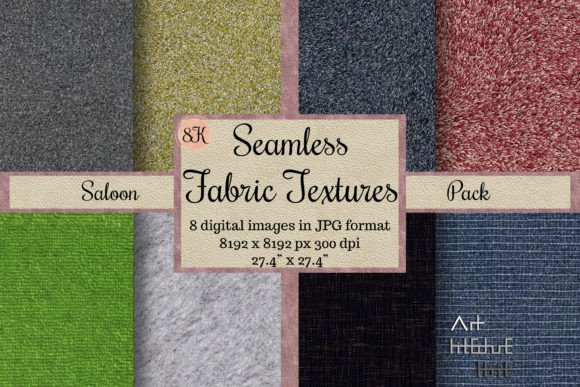
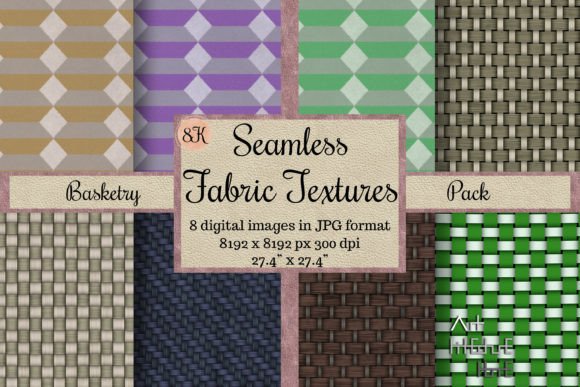
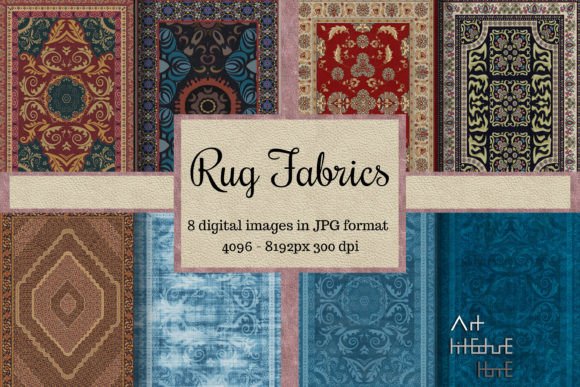
A solid color background is clean, but it rarely evokes emotion. A photograph is real, but it can be limiting and sometimes lacks the flexibility needed for graphic design. This is where a dedicated texture pack, like a collection featuring eight distinct traditional rug fabric textures, becomes an indispensable part of a designer's toolkit. These aren't just random patterns; they are carefully digitized representations of actual textile surfaces, captured at an ultra-high resolution of 300 dpi and available in sizes up to 8K.
What does this mean for your work? It means you can scale a texture to cover a massive print backdrop without a single pixel showing, or zoom into the fine details of a weave for a close-up product shot. The nonseamless nature of these textures is a key feature, providing a unique, authentic section of a rug rather than a repeating tile. This realism is crucial for projects where authenticity matters, preventing that artificial, "tiled" look that can undermine a design's credibility.
Practical Applications for Branding and Digital Presence
Think about the brands that resonate with you. Often, their visual identity extends beyond a logo and color palette to include textures and patterns that create a cohesive feel. A set of traditional rug textures offers a surprising range of applications for building a memorable brand identity.
For a boutique hotel, artisan coffee roaster, or a heritage clothing line, using a subtle, high-resolution rug texture as a website background or a social media graphic frame can instantly communicate warmth, craftsmanship, and tradition. It adds a layer of sophistication that flat colors can't match. In packaging design, a texture reminiscent of a Persian or Kilim rug can elevate a product like specialty tea, handmade soaps, or gourmet foods, suggesting quality and care before the package is even opened.
The versatility extends far beyond digital screens. Because these assets are delivered at 300 dpi, they are print-ready for almost any physical application you can imagine:
- Marketing Collateral: Create business cards, brochures, and presentation folders with a textured background that feels substantial and professional.
- Merchandise & Prints: Design unique posters, art prints, or even patterns for fabric swatches and tote bags.
- Event Stationery: Use the textures to craft stunning wedding invitations, menu cards, or place settings with a vintage or global-inspired theme.
- Scrapbooking & Crafts: For digital scrapbookers, card makers, and Cricut users, these high-res files provide perfect backgrounds for layouts, printable stickers, and decals.
- Editorial & Layout Design: Magazine features, book covers, or blog headers gain depth and visual interest when incorporating a rich textile pattern.
Matching Texture to Project Goals and Audience
Choosing the right texture from a pack of eight is about aligning the visual element with your project's narrative. Each traditional rug style carries its own cultural and aesthetic weight. A deep, ornate Aubusson-inspired texture might suit a luxury brand or a formal invitation, while a more geometric, tribal pattern could be perfect for a bohemian fashion label or a travel blog.
Consider your audience. Are they drawn to minimalist, modern aesthetics? A texture used as a very subtle, low-opacity background can add warmth without overwhelming clean lines. Is your audience passionate about history, culture, or handmade goods? A bolder, more detailed texture can become a central design element that speaks directly to their interests. The key is to use the texture with intention. It should support your message, not compete with it.
Ensuring Cohesion and Professional Polish
One of the greatest challenges in design is maintaining visual consistency across multiple platforms and materials. A cohesive texture library solves this. By using the same rug texture—or different textures from the same cohesive collection—across your website, your Instagram templates, your email newsletter header, and your printed catalog, you create a recognizable visual language. This repetition builds brand recognition and makes your content feel polished and intentional.
When integrating these textures, always test them in context. Place your text over the texture to check for readability. A busy pattern might need a semi-transparent overlay or a solid color block behind headlines to ensure clarity. Experiment with blending modes in your design software—overlay, multiply, or soft light can often integrate a texture more seamlessly into your color scheme. The goal is to enhance, not hinder, your communication.
Ultimately, the value of a resource like a premium set of traditional rug fabric textures lies in its ability to bridge the gap between the digital and the tactile. It provides a shortcut to creating designs that feel rich, layered, and imbued with character. For the designer looking to add depth, the entrepreneur building a brand story, or the crafter seeking the perfect printable background, having access to these high-quality, versatile assets is not just a convenience—it's a creative catalyst that opens up new possibilities for authentic visual storytelling.