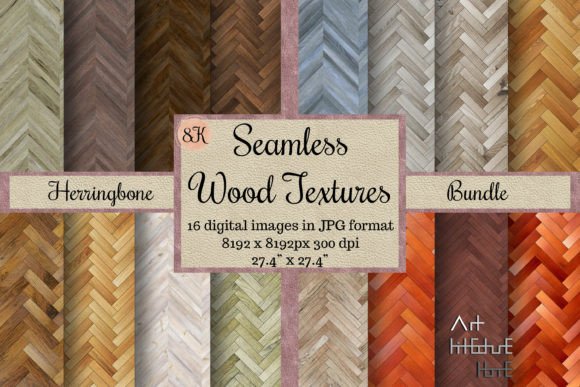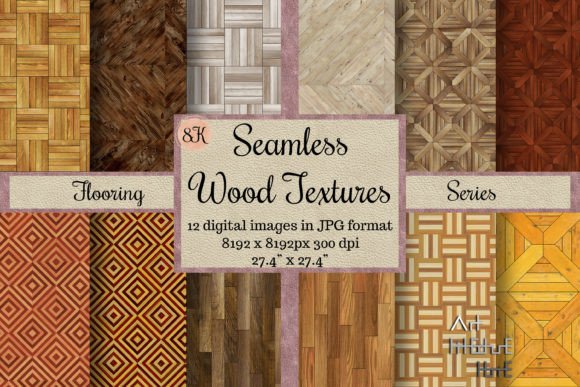
Elevate Your Designs with Seamless Wood Textures
There's an undeniable warmth and authenticity that natural materials bring to any project. Wood, in particular, carries a sense of history, craftsmanship, and organic beauty. But sourcing, photographing, and perfectly editing high-quality wood surfaces for digital use can be a time-consuming challenge. This is where having a reliable, professional-grade asset library becomes a game-changer for designers and creators. A collection like the Seamless Wood Textures 4K Floor Jpgs offers a direct solution, providing a versatile foundation for countless creative endeavors.
The Art of Seamless Integration
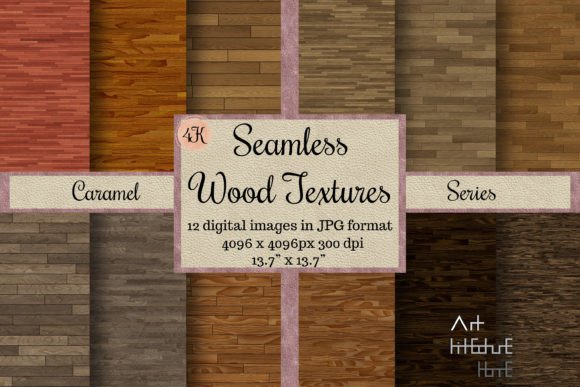
The true power of these assets lies in their seamless nature. A seamless texture is meticulously crafted so that when it is tiled—placed side-by-side repeatedly—the pattern flows without any visible seams or awkward breaks. This is crucial for applications like website backgrounds, fabric printing, or large-scale wall decals where the pattern must extend indefinitely. The Caramel Series textures are designed to be 100% seamless, ensuring your final product looks polished and professional, whether it's a small sticker or a full architectural rendering.
Each image in this pack is rendered at a substantial 4096 x 4096 pixel resolution, equating to a crisp 13.7 x 13.7 inches at 300 DPI. This high resolution is not just a technical specification; it's a practical guarantee of quality. It means the intricate grain details, subtle color variations, and natural imperfections of the wood are captured with stunning clarity. You can zoom in for close-ups in editorial layouts or scale the texture for large format prints without losing integrity. This level of detail supports a professional presentation, helping to build brand recognition through consistent, high-quality visuals.
From Digital Canvas to Physical Product
Imagine a small business owner creating packaging for artisanal goods. Using a warm, caramel-toned wood texture as the background for a label instantly communicates a message of handcrafted quality and natural ingredients. For a content creator, these textures serve as perfect, non-distracting backgrounds for social media quotes or podcast cover art, adding depth and interest without overwhelming the text. The applications extend far beyond the screen:
- Branding & Logo Design: Use a subtle wood grain as a background element in a logo or on a business card to add texture and personality.
- Web & Blog Design: Create an engaging, tactile-feeling website header or sidebar that stands out from flat color blocks.
- Packaging & Merchandise: Apply the texture to product boxes, shopping bags, or even apparel like t-shirts and tote bags for a unique, marketable look.
- Print Materials: Design stunning posters, invitations, or wedding props with a rustic yet elegant foundation.
- Crafting & DIY Projects: These files are optimized for popular cutting machines like Cricut and Silhouette. Use them for vinyl decals, scrapbooking elements, decoupage projects, or to furnish miniature dollhouses with incredibly realistic flooring.
The key is to match the texture's personality to your project's goal. The rich, warm tones of the Caramel Series evoke comfort and sophistication, making them ideal for brands in the food, lifestyle, home decor, or wellness spaces. For a more modern or industrial feel, you might pair these textures with clean sans-serif fonts and minimalist layouts.
Practical Workflow Tips for Designers
Integrating new design assets should streamline your workflow, not complicate it. Here’s how to make the most of a texture pack like this one. First, consider your font pairing. A bold, modern display font can create a striking contrast against a rustic wood background, while a elegant script font might complement it for a more formal invitation. Always test readability by placing your text over the texture at its intended size—ensuring sufficient contrast is vital for legibility.
Think about layering and opacity. You don’t always have to use the texture at full intensity. Reducing its opacity can create a softer, more subtle background that supports rather than dominates your main content. For digital projects, using the texture as a repeating pattern in CSS is efficient. For print, ensure your design software is set to the correct color profile (like CMYK for professional printing) to maintain color accuracy from screen to physical product.
Finally, always be mindful of licensing. A pack designed for commercial use, like this one, typically grants you the rights to incorporate the textures into projects you sell or use for client work. This removes a significant legal hurdle and allows you to focus purely on the creative process, whether you're a freelance designer, an Etsy shop owner, or a marketing professional building assets for a campaign.
Building a Visual Language with Texture
In a digital landscape often dominated by flat design, incorporating thoughtful texture is a powerful way to create depth and emotional resonance. Wood textures, in particular, offer a connection to the natural world that can make a brand feel more grounded and authentic. They are a fundamental design asset in any creative toolkit, offering endless possibilities to enhance visual storytelling. By starting with a high-quality, seamlessly tileable foundation, you ensure that every project—from a quick social media graphic to a comprehensive brand identity—begins with a professional and visually cohesive base.