Soft Blue Vine Digital Papers: A Designer's Guide to Serene Visuals
There’s a particular kind of visual calm that’s hard to manufacture. It doesn’t come from stark minimalism or a complete absence of pattern, but from a thoughtful, cohesive texture that feels both organic and refined. This is the space where the Soft Blue Vine Digital Papers set operates—a collection designed not just to fill a background, but to establish a mood. For designers, entrepreneurs, and creators constantly balancing aesthetics with function, finding a versatile asset that conveys tranquility without sacrificing professionalism is a genuine win.
The Visual Language of Soft Blue Vines
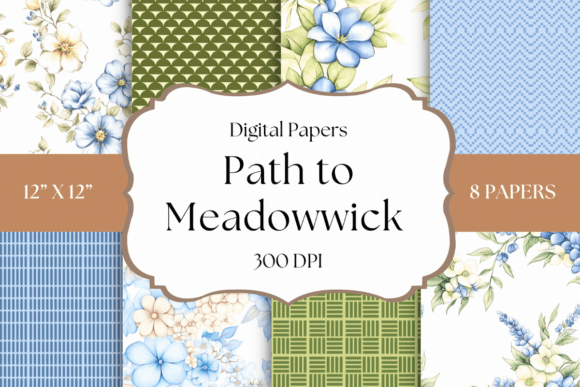
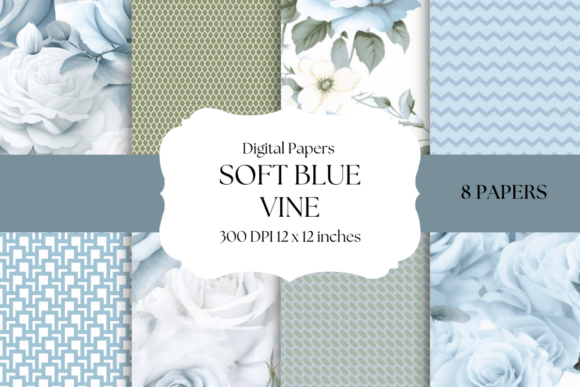
What makes this particular set of digital papers so effective? It’s a combination of color psychology and pattern design. The pastel blue palette is inherently calming, associated with clarity, trust, and serenity. This makes it a strategic choice for brands and projects aiming to evoke a sense of reliability and peace. The vine motifs introduce an organic, flowing element that prevents the patterns from feeling sterile or overly digital. This blend creates a texture that feels handcrafted yet clean—ideal for modern design where authenticity is valued.
Each of the eight seamless patterns in the set offers a different density and arrangement of the vine elements. This variety is crucial for practical application. A subtle, low-contrast pattern works beautifully as a website background or a social media graphic where text needs to take center stage. A bolder, more defined pattern can become the star of a packaging sleeve or a poster background. The seamless nature means they can be tiled infinitely without visible seams, a technical detail that saves hours of frustration and ensures a polished result in any scale of project.
Practical Applications for Brands and Creators
Understanding where and how to deploy these patterns is key to unlocking their value. They are far more than just pretty backgrounds; they are foundational elements of a visual system.
- Brand Identity & Collateral: For a boutique skincare line, a wellness coach, or a handmade jewelry business, these papers can form the bedrock of the brand’s texture. Use a soft pattern on business card backs, letterheads, and thank-you cards to create a tactile, memorable experience. The consistent use of this texture across all touchpoints reinforces brand recognition far more effectively than a standalone logo.
- Packaging Design: Imagine a delicate soap wrapper or a bakery box sleeve using one of these patterns. It instantly communicates care, quality, and a gentle touch. The pastel blue works harmoniously with earth tones, crisp whites, and soft metallics, offering flexibility in product labeling and packaging design.
- Digital Presence: In the crowded digital space, a cohesive visual identity helps you stand out. Use a muted version of a pattern as a subtle website background to add depth without distraction. Create a suite of matching social media graphics for Instagram stories or Pinterest pins, ensuring your content feels part of a curated, professional feed. For bloggers, these patterns provide a serene backdrop for quotes, announcements, or featured images, enhancing reader engagement through visual calm.
- Print & Editorial Layouts: Think beyond digital. These patterns are perfect for designing wedding stationery suites—from save-the-dates to menus—creating a unified, elegant theme. In editorial design, a soft blue vine pattern can section off a feature in a magazine or act as a background for a pull quote in a book, adding a layer of visual interest to the layout.
- Merchandise and DIY Projects: For creators selling printable art, planners, or stickers, these papers are a fantastic base layer. They can be used to design journal covers, planner dashboards, or digital wallpaper for phones and tablets, offering a product that feels both useful and aesthetically pleasing.
Integrating Texture with Typography and Brand Goals
Pairing a textured background like the Soft Blue Vine Digital Papers with the right typography is a critical design consideration. The goal is harmony, not competition. A clean, modern sans-serif font often works best, as its simplicity contrasts nicely with the organic pattern, ensuring readability remains high. For a more classic or romantic feel, a refined serif font can be paired, but it’s wise to use it for headings only and pair it with a sans-serif for body text to maintain clarity.
When selecting your typeface, consider the overall project goal. Is the primary function to inform? Prioritize a highly legible sans-serif. Is it to evoke a specific emotion, like elegance or whimsy? A carefully chosen script or display font for headlines can set that tone, but it must be balanced by a straightforward font for longer passages. Always test your font pairings directly on top of the pattern backgrounds. Ensure there is sufficient contrast in both color and weight so your message isn’t lost. The pattern should enhance your content, not overshadow it.
From a branding perspective, using these consistent visual assets helps build a professional presentation. It signals to your audience that every detail has been considered, which builds trust. This is where the real value lies—not just in a single beautiful graphic, but in the ability to replicate that quality across every piece of communication, from a Facebook ad to a printed invoice. The commercial license included with such a digital asset is a key consideration, granting you the freedom to use these patterns in client work and products for sale, making it a sound investment for any design professional or creative entrepreneur.
The true power of a resource like the Pastel Blue Digital Papers set is its versatility as a foundational design asset. It provides a starting point of calm and cohesion, allowing you to build upon it with typography, imagery, and messaging that is uniquely yours. By thoughtfully integrating these textures, you transform your projects from merely functional to genuinely resonant, creating visual experiences that feel both intentional and inviting.