Capturing Light: Design Magic with Holographic Digital Paper
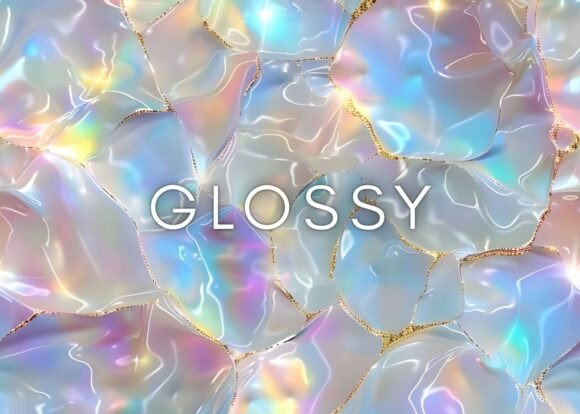
There’s a specific kind of visual pull that happens when you see iridescence in nature—the shimmer of a soap bubble, the rainbow refraction in a drop of oil, or the deep glow of a fire opal. It’s a fleeting, liquid quality that feels almost impossible to pin down. For years, designers tried to capture that magic with static metallic foils or flat gradients, but they always fell short. Today, however, that barrier has vanished. We are living in the golden age of digital assets, and nothing exemplifies this better than Iridescent Holographic Digital Paper. These textures offer the complex, shifting beauty of light without the constraints of the physical world, allowing you to infuse your work with a sense of luxury and modernity that static images simply can't match.
The Secret to Instant Luxury: Why These Textures Work
If you’ve ever struggled to make a flat design feel "expensive," the solution often lies in texture. Standard colors are static; they sit on the canvas. Holographic and opalescent textures, however, mimic the behavior of light. They suggest depth, dimension, and movement. When you incorporate Iridescent Holographic Glitter Digital Paper into a project, you aren't just adding a background; you are adding an atmosphere.
The psychology behind this is fascinating. We associate shimmer and iridescence with precious materials—gemstones, silk, and high-end packaging. By using these assets, you trigger an immediate subconscious association with value and quality. The "unicorn colors"—those soft, shifting pastels of pink, purple, cyan, and gold—are particularly effective because they feel ethereal and dreamlike. They bridge the gap between the digital and the tactile, creating a visual experience that feels rich and immersive. This is why these textures have become a staple for anyone looking to create a premium aesthetic without breaking the budget on physical materials.
Practical Magic: From Wedding Invitations to Website Hero Sections
One of the greatest strengths of these digital assets is their sheer versatility. Because the collection includes 32 distinct textures in a seamless format, you can scale them from a tiny favicon on a browser tab to a massive canvas bag print without losing quality. The 3600x3600 pixel size at 300 DPI ensures that every detail remains crisp, whether you are designing for screen or print.
Consider the world of branding and packaging design. A small business selling cosmetics, jewelry, or bath bombs needs packaging that screams "luxury" from the shelf. Using a Liquid Digital Paper as the background for a label or a box sleeve instantly elevates the product. It turns a simple soap bottle into a spa experience. The seamless nature of the patterns means you can tile them across large surfaces—like tissue paper or wrapping paper—creating a cohesive unboxing experience that customers love to share on social media.
For event planners and brides, the applications are equally magical. Wedding props, table numbers, and menu cards often look generic when printed on plain white cardstock. By utilizing Opal Seamless Patterns, you can create stationery that looks bespoke and expensive. The soft, glowing quality of opalescent textures pairs beautifully with modern calligraphy fonts, creating a contrast between the fluid background and the sharp typography.
Digital Real Estate: Social Media and Web Design
In the fast-paced world of digital marketing, stopping the scroll is the ultimate goal. Static backgrounds often blend into the noise of a social media feed. However, a background built on Iridescent Holographic Digital Paper catches the eye because it mimics motion. Even though the image is static, the gradient shifts and glitter textures imply movement, making the viewer pause.
This is a game-changer for social media graphics. Whether you are creating Instagram story templates, highlight covers, or Pinterest pins, these textures provide a versatile backdrop. They are particularly effective for overlaying text. Because the colors are often soft and pastel, they allow darker typography to pop while maintaining a gentle, inviting aesthetic. For content creators and influencers, these assets help maintain a consistent, high-end visual identity across platforms.
When it comes to web design, the utility is just as strong. While you might not use a heavy glitter texture for an entire site background (as it can be visually noisy), it works perfectly for "Hero" sections, header banners, or dividers. A seamless pattern can be used to create subtle accents that guide the user’s eye down the page. For bloggers, especially in niches like beauty, fashion, or lifestyle, these textures can be used to design custom "Shop the Post" widgets or email opt-in forms that feel integrated with the site's overall aesthetic.
Technical Confidence: Seamless, Scalable, and Print-Ready
For the designer or small business owner, technical reliability is just as important as aesthetics. There is nothing worse than spending hours on a design only to find a visible seam in your background when it goes to print. This is where the "seamless" specification of these assets becomes crucial.
A seamless pattern is engineered so that the edges of the image tile perfectly against one another. This means you can create an infinite field of Iridescent Holographic Glitter without any visible lines or breaks. This is essential for projects like textile print and surface design. If you are designing fabric for apparel or home decor, the pattern must repeat flawlessly to ensure the final product looks professional.
Furthermore, the 300 DPI resolution is the industry standard for high-quality printing. Many free resources online are low-resolution (72 DPI), which look fine on a screen but turn pixelated and muddy when printed. By using 300 DPI assets, you ensure that your greeting cards, gift tags, and posters retain that crisp, professional finish.
Strategic Integration: Pairing Textures with Typography
A common mistake in design is using too many competing elements. When you are working with a bold, visual texture like a holographic paper, your typography needs to be chosen carefully to ensure readability.
Generally, ornate script fonts or highly detailed handwritten fonts can get lost against a busy, glittery background. The intricate loops of the letters may merge with the "noise" of the texture. Instead, consider pairing these textures with cleaner typefaces.
- Sans Serif Fonts: A bold, geometric sans-serif font often pairs best with holographic textures. The clean, straight lines of the typography provide a structural contrast to the fluid, organic nature of the iridescence. This creates a modern, high-fashion look often seen in beauty branding.
- Serif Fonts: If you are aiming for a more editorial or classic luxury feel, a high-contrast serif font (like a Didot style) works beautifully. The thin strokes of the serif add elegance, while the bold parts of the letters ensure the text remains legible.
Always test your font pairings by placing the text directly over the texture. You may find that adding a very subtle drop shadow, or placing the text inside a semi-transparent shape (like a rounded rectangle or circle), helps lift the text off the background, ensuring your message is readable while still showcasing the beauty of the Opalescent paper beneath.
Commercial Confidence and Licensing
For entrepreneurs and freelancers, the ability to use assets commercially is non-negotiable. It is vital to review the licensing of any digital asset you purchase. In this case, the collection is marked for Commercial Use, which opens up a world of possibilities.
This means you are not limited to personal projects. You can use these textures to design products for sale on platforms like Etsy, Redbubble, or Shopify. You can create marketing assets for clients, design merchandise like tote bags or phone cases, and use them in client presentations to mock up ideas. The license essentially allows you to monetize your creativity using these high-quality base materials.
However, a quick note on digital vs. physical expectations: it is important to remember that these are digital papers. The metallic effects are digital simulations. While they print beautifully and look incredibly realistic, they are not physical foil. You cannot peel a layer of metal off the screen. But in terms of visual fidelity, they offer a cost-effective way to achieve a foil-like look in your printables and digital designs without the expense of actual foil stamping.
The Takeaway
Ultimately, Iridescent Holographic Digital Paper is more than just a background image; it is a design multiplier. It takes a standard project—whether it’s a business card, a social media post, or a wedding invite—and adds a layer of perceived value that is hard to achieve with solid colors alone. By leveraging the seamless format and high resolution, you can maintain brand consistency across every touchpoint, from your website to your physical packaging. It’s a practical, versatile, and visually stunning tool for anyone serious about making their work shine.